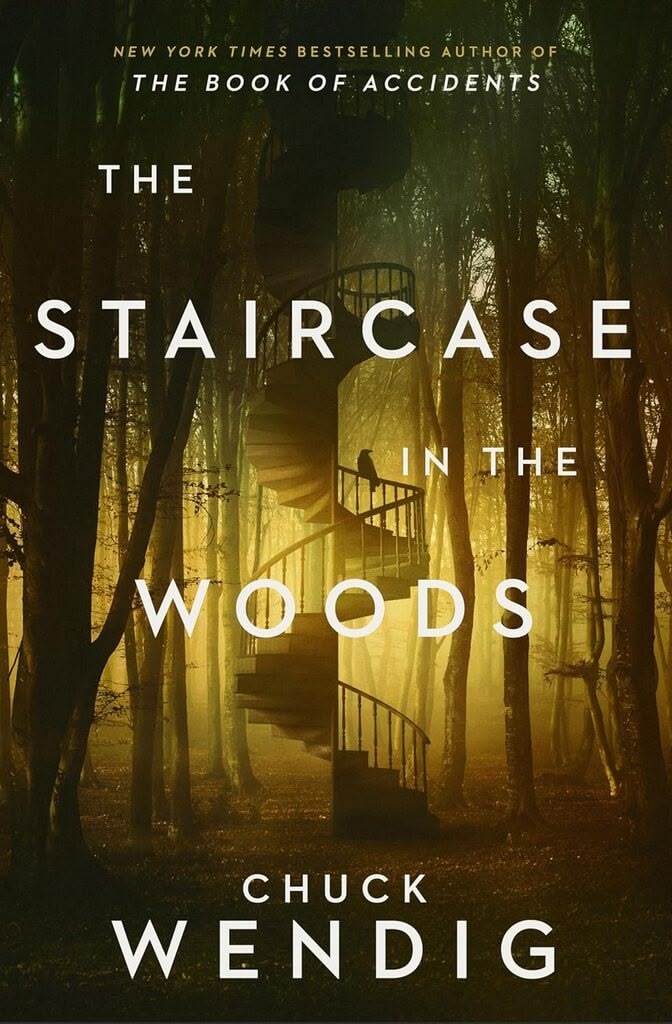
The Staircase in the Woods is about a group of former friends who reunite because of a bad thing that happened to one of them when they were kids, but they never really dealt with it.
When beliefs from the past resurface, old guilt emerges. What starts as a return to the past turns into a confrontation with the consequences of avoidance and the refusal of the past to be forgotten.
Publish Year: 2025
Page Count: 400
The Reading Experience
It was a bit of a rough start for me. The beginning was a bit slow, and the characters made it tough to stay interested. At several points, I caught myself thinking, “Please stop whining and do something about your situation.” That initial emotional resistance made the first part of the book feel a bit heavy.
The writing style is a bit different, but it’s not too hard to get used to. Once the story found its groove, the pacing picked up, and the whole reading experience got more smooth. As the story went on, the earlier frustrations started to make more sense.
What Holds the Story Together
The characters are intentionally challenging. Their emotional stagnation and avoidance aren’t just weak writing, they’re key parts of the story. Later on, the book explains why they’re the way they are, and it makes the early characterization feel more solid. I never really got into them, but I could understand them.
The atmosphere does most of the heavy lifting. The woods and the staircase are used sparingly, but effectively, as symbols of something unresolved rather than constant sources of horror. The unease builds up slowly and stays in the background.
Wendig’s writing is all about looking inside herself. The inner thoughts of the characters are important to the story, but they can also make the story a bit slow. Still, they help the reader feel what the characters are feeling. The plot itself is pretty straightforward. It exists to support the idea at the center of the novel rather than to push constant action.
Does It Really Work?
What kept me hooked was the idea. The idea behind the story is really compelling, and it’s executed well, even if it’s not anything special. It’s not a game-changing horror novel, but it gets the job done.
The internal logic holds up, and the ambiguity surrounding the supernatural elements feels intentional rather than careless. Intrigue comes from the emotional tension and the underlying concept more than from plot twists or revelations.
In the end, I found this to be an enjoyable and relatively quick read. I had fun with it, the idea worked for me, and I never felt like my time was wasted. Mission accomplished.
Who This Book Is For
- If you’re into concept-driven horror, this one’s for you.
- Readers who are comfortable with flawed, emotionally stagnant characters.
- Readers who care more about the vibe than the bells and whistles will really enjoy this one.
Who Should Skip It
- Readers who aren’t into slow-paced stories might not enjoy this one.
- Readers who need likable characters from the start.
I also wrote a book review of You Like It Darker by Stephen King, in case you’re craving more of that dark and suspenseful stuff.